Why Should Brands Partner With a Specialized Period Underwear Manufacturer?
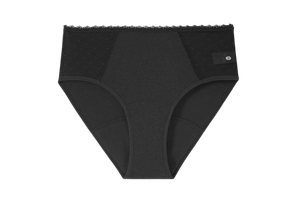
Brands partnering with a specialized period underwear manufacturer gain access to technical textile development, absorbency testing, certified materials, and scalable production systems. The global reusable menstrual underwear market was valued at over USD 400 million in 2023 and is projected to expand steadily through 2030, with demand increasing in North America, Europe, and Australia. Manufacturers with dedicated expertise help brands develop products that meet consumer expectations for comfort, safety, durability, and environmental responsibility.
Period underwear has moved from a niche reusable product into a growing category within the global intimate apparel industry.
The growth of reusable menstrual products has been supported by changing consumer preferences and improvements in fabric technology. According to market research published in 2023, reusable menstrual products such as period underwear, cups, and reusable pads have gained wider adoption among younger consumers, especially in markets where sustainability concerns influence purchasing decisions. A specialized supplier understands that period underwear requires more than conventional garment production because the product must combine softness, absorbency, leak protection, and repeated washing performance.
Unlike regular underwear, period underwear is constructed with multiple functional layers. A typical design may include a moisture-wicking top layer, absorbent core, liquid-resistant barrier, and breathable outer fabric. Each layer has a different purpose, and the interaction between materials determines the final wearing experience.
A professional period underwear manufacturer usually evaluates:
| Production area | Common requirements |
|---|---|
| Fabric selection | Cotton blends, bamboo fibers, recycled materials, moisture-control textiles |
| Absorbent system | Multiple-layer structures tested for fluid retention |
| Protection layer | Breathable waterproof membranes |
| Sewing process | Reinforced seams and comfortable edge finishing |
| Quality testing | Absorbency, washing durability, and fabric safety checks |
A product designed for menstrual use requires textile engineering that standard underwear factories may not provide.
Material performance directly affects consumer satisfaction. Research from textile development studies shows that absorbent fabrics are influenced by fiber structure, fabric density, finishing treatments, and moisture transport ability. A difference of only a few millimeters in fabric thickness can affect comfort, drying time, and product appearance.
Specialized manufacturers typically work with laboratories to evaluate factors such as absorption speed, liquid retention capacity, pH safety, and color durability. Many suppliers use standards such as OEKO-TEX® Standard 100, which tests textiles for harmful substances across more than 100 parameters.
Quality control becomes increasingly important when brands expand into international markets. A production issue affecting absorbency or leakage performance can lead to customer complaints and product replacement costs. Manufacturers with dedicated menstrual apparel experience usually operate structured inspection systems covering raw materials, production stages, and finished garments.
A standard quality process may include:
-
Incoming fabric inspection before cutting
-
Layer alignment checks during sewing
-
Absorbency testing on finished products
-
Washing cycle evaluations
-
Final packaging inspection
For example, manufacturers may test products after 30, 50, or more washing cycles to evaluate whether absorbency and fabric structure remain stable. Reusable menstrual underwear is expected to last for several years, and durability testing supports consistent product performance.
Long-term product quality depends on both material selection and manufacturing control.
Product development support is another reason brands choose specialized partners. Many emerging brands have strong marketing ideas but require technical assistance to turn concepts into finished garments. Experienced manufacturers can help adjust patterns, select fabrics, improve fit, and optimize production methods.
The development process often includes:
| Stage | Manufacturer support |
|---|---|
| Concept planning | Product structure recommendations |
| Sampling | Prototype production and adjustment |
| Testing | Absorbency and comfort evaluation |
| Production | Manufacturing preparation and quality monitoring |
In the intimate apparel sector, fit accuracy is especially important because body shapes vary across regions. Brands selling in the United States, United Kingdom, Germany, and Australia may require different sizing approaches. A manufacturer experienced in global markets can provide grading support based on regional consumer requirements.
Regulatory knowledge also affects international sales. Different countries have different requirements for textile labeling, chemical safety, and consumer product standards. Working with a supplier familiar with international certifications helps reduce delays during market entry.
Common certifications and compliance systems include:
-
OEKO-TEX® Standard 100 for textile safety
-
GOTS for certified organic textile products
-
BSCI for social compliance evaluation
-
ISO 9001 for quality management systems
-
REACH requirements for chemical safety in European markets
The reusable menstrual category has also developed alongside environmental concerns. In 2022, studies published in sustainability research areas highlighted that reusable menstrual products can reduce dependence on disposable alternatives when consumers use them over extended periods.
Manufacturers are responding by developing more sustainable materials, including recycled polyester blends, organic cotton fabrics, and lower-impact dyeing methods. These improvements allow brands to offer products that match consumer expectations for both performance and environmental consideration.
Sustainability features must still maintain comfort, absorbency, and safety standards.
Innovation continues to influence competition in the period underwear market. Brands are introducing thinner designs, higher absorbency levels, seamless construction, and improved odor-control technologies. Manufacturers specializing in this category often invest in textile research because consumer expectations continue to change.
Recent product development trends include:
| Innovation area | Development direction |
|---|---|
| Absorbency | Higher fluid capacity with thinner structures |
| Comfort | Softer fabrics and reduced seam pressure |
| Appearance | Designs closer to everyday underwear |
| Sustainability | Renewable and recycled materials |
| Functionality | Better moisture management |
Production flexibility is also important for growing brands. New companies may begin with limited quantities for market testing before increasing production volumes. A manufacturer experienced with different order sizes can support both small launches and larger retail supply.
Manufacturing scale affects pricing, inventory planning, and delivery schedules. Suppliers with established production systems often provide more predictable timelines because they have organized sourcing networks and experienced production teams.
A reliable manufacturing partnership may include:
-
Product customization
-
Private label services
-
Packaging support
-
Production planning
-
Supply coordination
-
Continuous product improvement
The relationship between a brand and manufacturer often extends beyond producing garments. Long-term cooperation allows both sides to improve product design, respond to consumer feedback, and adjust production strategies.
The global period underwear market continues to develop as consumers seek alternatives that combine convenience, comfort, and responsible consumption. Brands entering this category need suppliers that understand textile technology, regulatory requirements, and consumer expectations.
A specialized manufacturing partner provides technical experience from material selection to final inspection, helping brands create products suitable for competitive international markets. With reusable menstrual products expected to maintain strong growth through the end of the decade, selecting an experienced manufacturer can support stable product development and long-term market expansion.